English Kamishibai
Japanese Story-Cards for Kids and ESL Classrooms. Easy to download, ready to use.
English Kamishibai is a unique storytelling method that combines traditional Japanese picture cards with English learning.
It helps children experience language through imagination, rhythm, and visual expression.
News & Information
- After Purchase & Download InformationAfter completing your purchase, you will be redirected to a confirmation page where your download link will be displayed. Please note that when using express payment methods such as Apple Pay or Google Pay, the confirmation email containing the download link may not reach you, depending on your settings. If… Read more: After Purchase & Download Information
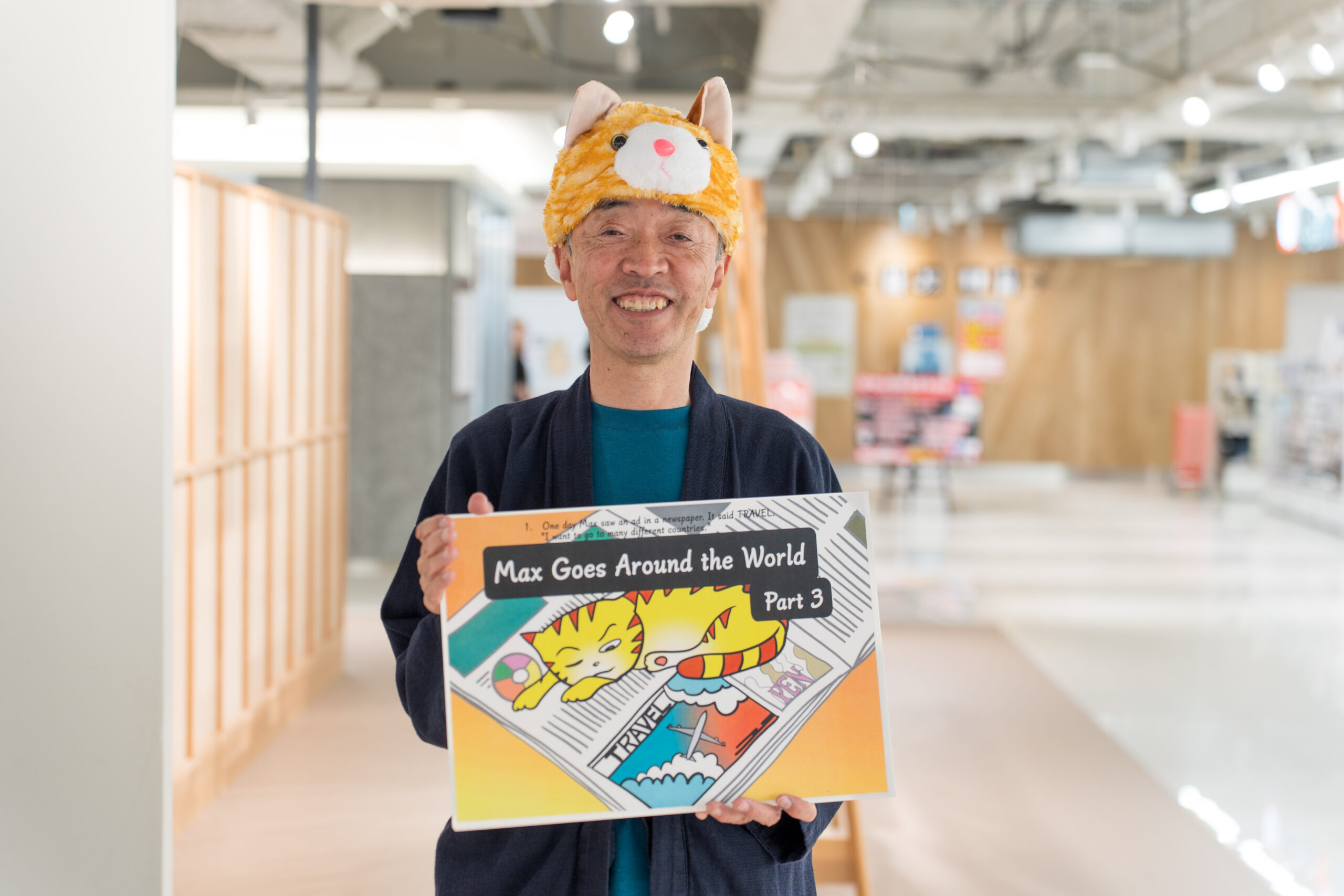
- News: Digital Kamishibai Now Available on this site
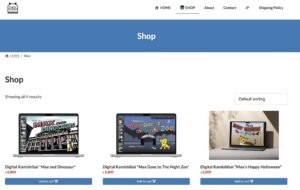 Digital Kamishibai(picture-story shows) are now available on this website. You can now purchase the digital edition of English Kamishibai produced by Atelier Sakai. Major credit cards—such as VISA, MasterCard, and American Express—are accepted, as well as debit cards. Quick payment options like Apple Pay and Google Pay are also supported.… Read more: News: Digital Kamishibai Now Available on this site
 - Meet Max, the Little Traveller
 The Cat Who Leads Children Through English Adventures One of our most beloved characters is Max, a curious black cat who loves exploring new places. Max appears in many of our stories, guiding children through forests, night zoos, towns, and even imaginary worlds.His gentle personality makes him a perfect companion… Read more: Meet Max, the Little Traveller
 - How to Use Digital Kamishibai in Your ClassroomPractical Tips for Teachers Digital kamishibai are more than picture slides—they are performances. It can certainly be used in its digital presentation format. However, printing it out and using it as an actual paper theatre is the most desirable approach. Here are a few ideas for making your session engaging:… Read more: How to Use Digital Kamishibai in Your Classroom
- Why We Began Offering Digital Kamishibai—A Message from the Creator, Kuni Sakai For many years, our kamishibai were shared only as physical sets. But shipping overseas often meant long delays, damaged packages, or deliveries that never arrived. One day a set returned to us crushed and nearly unreadable. It was then that we realized: “If… Read more: Why We Began Offering Digital Kamishibai
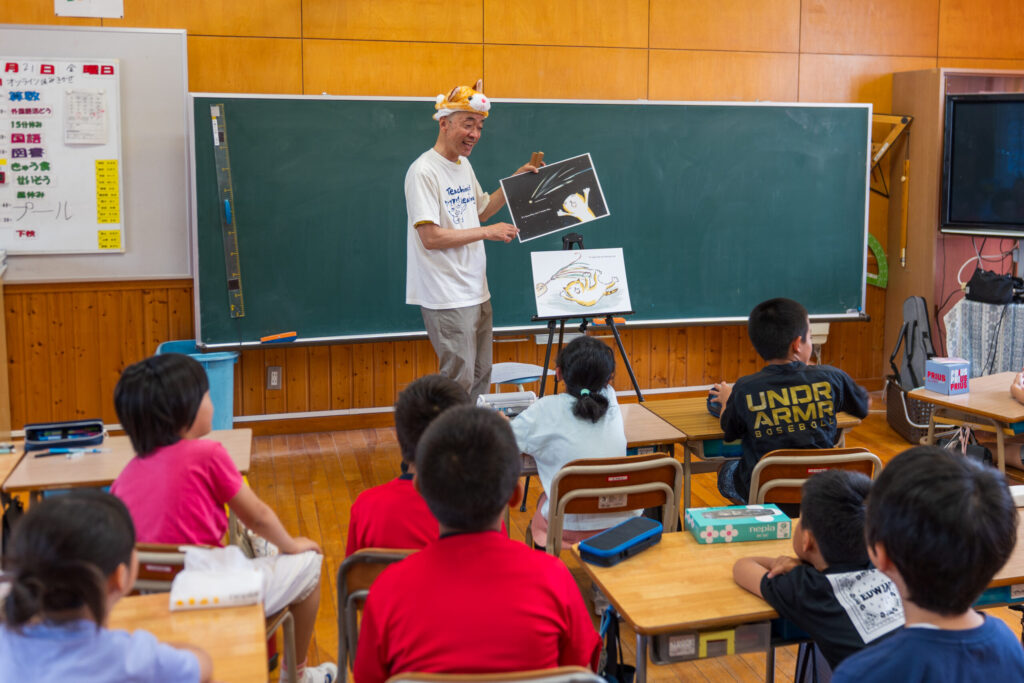
Study with "Kamishibai"
To inspire global learning, we create in five areas:
- Learn.Story — Creative English Learning through Kamishibai
Our original English Kamishibai brings language learning to life.
Children naturally absorb English phrases while enjoying vivid stories and characters.
- Learn.Teach — Empowering Educators Worldwide
We provide ready-to-use teaching materials and ideas for interactive lessons.
Teachers can easily introduce storytelling into their classrooms, no matter their English level.
- Learn.Share — A Community of Storytellers
Through our workshops and online platforms, educators exchange experiences and classroom tips.
We believe in learning with each other, not just from each other.
- Learn.Digital — Instant Access, Global Reach
All kamishibai titles are available as downloadable data.
Print, perform, and teach — wherever you are in the world.
- Learn.Connect — Building Bridges through Stories
From Japan to the world, we connect teachers and children through the universal joy of storytelling.
Every Kamishibai performance becomes a shared moment of imagination and understanding.
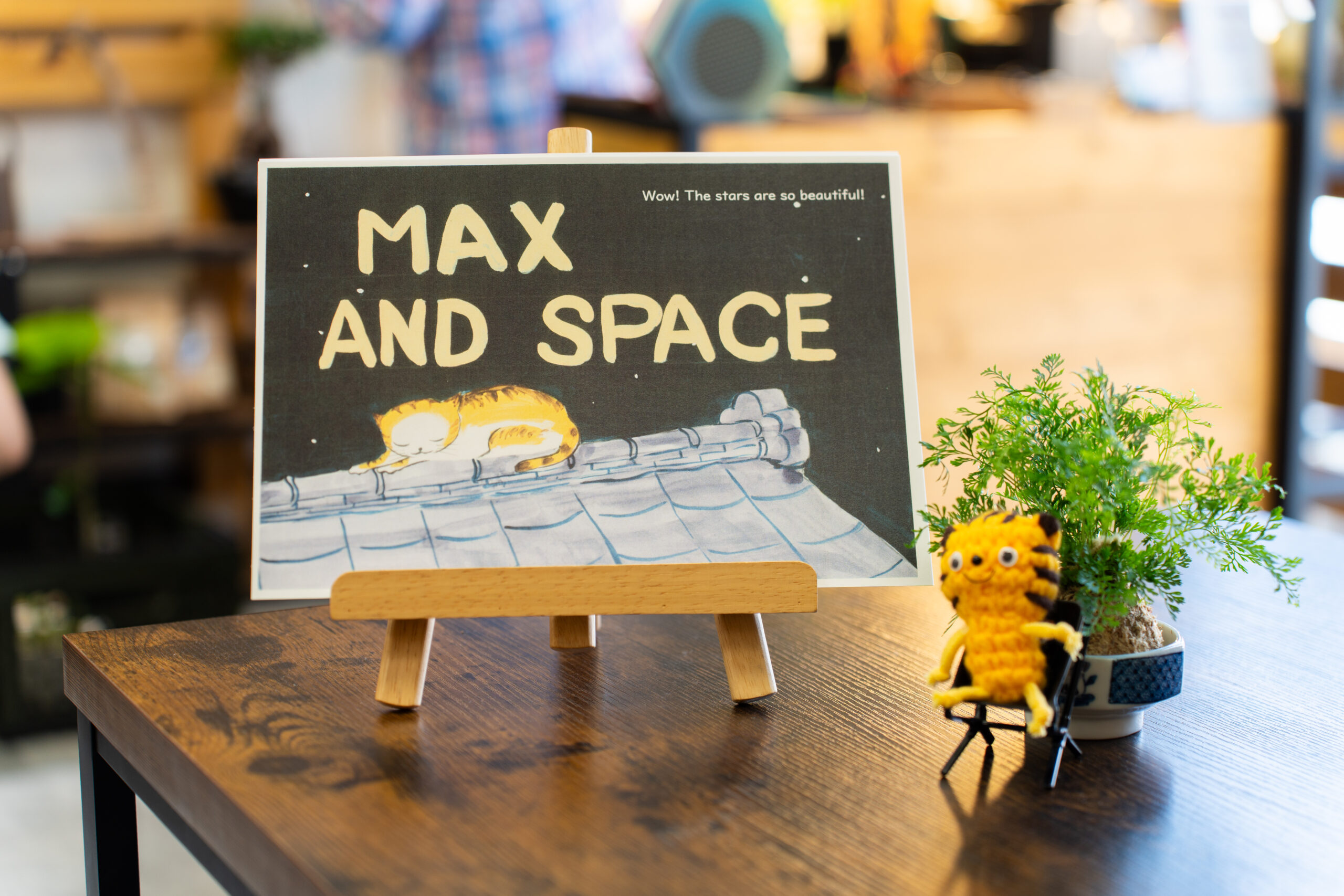
Original Handmade Kamishibai
Our Kamishibai stories are created entirely by hand — from the original illustrations to the final presentation.
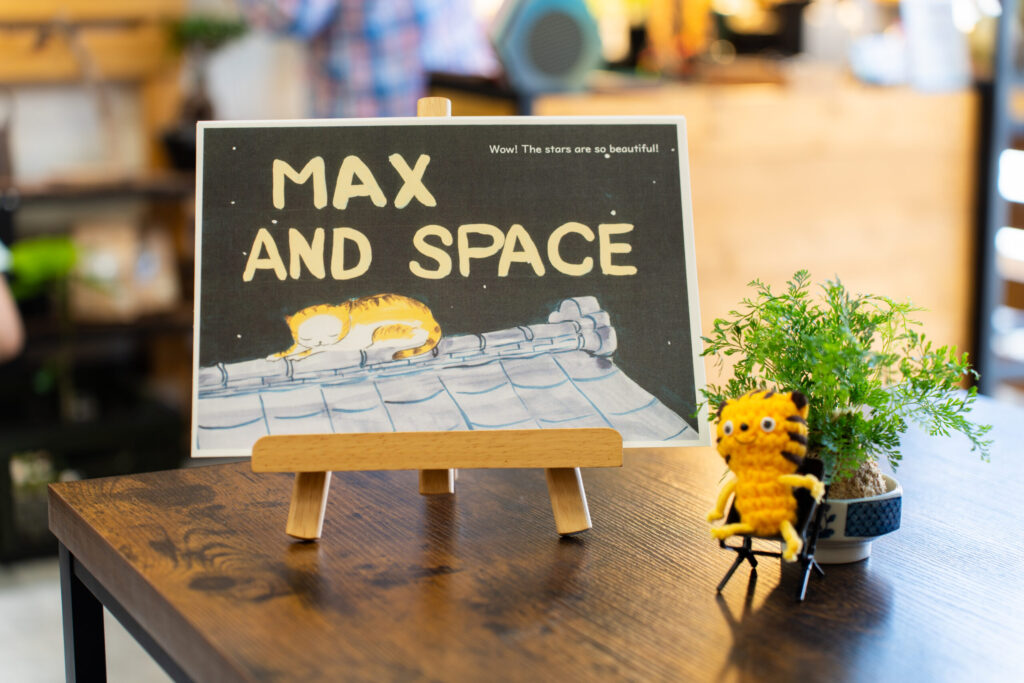
Each story features Max, a curious and kind-hearted cat who leads children on heartwarming adventures through everyday life and imagination.
This handmade process preserves the heart of Japanese storytelling, allowing children to experience English learning through authentic, heartfelt art — while following Max’s gentle adventures that inspire empathy, creativity, and joy.
What's "Kamishibai" ?
Kamishibai in Japan: History & Culture
Born from older picture-telling traditions such as Emaki (picture scrolls) and Etoki (Buddhist picture sermons), modern street kamishibai took shape in late-1920s Tokyo. Performers rode bicycles with a small wooden stage (butai), struck hyōshigi clappers to gather children, sold sweets, and told serialized adventures with vividly painted cards.
By the 1930s–40s it became a mass neighborhood medium: a mix of entertainment, news, and public messages. After the war it flourished in local lanes until television—nicknamed “electric kamishibai”—spread in the 1950s and the street form declined.
From the 1960s–70s, librarians, teachers, and artists adapted kamishibai for classrooms and libraries. Standardized card sizes, back-of-card scripts, and mindful pacing turned it into a powerful group-reading tool that keeps the performer’s face visible while the pictures lead the story.
Culturally, kamishibai embodies Japan’s face-to-face, community-based storytelling: call-and-response, suspense at each frame, and a portable stage that turns any place into a theatre. Today it’s used in preschools, libraries, museums, senior care, and multilingual settings—where it continues to inspire listening, participation, and language learning.
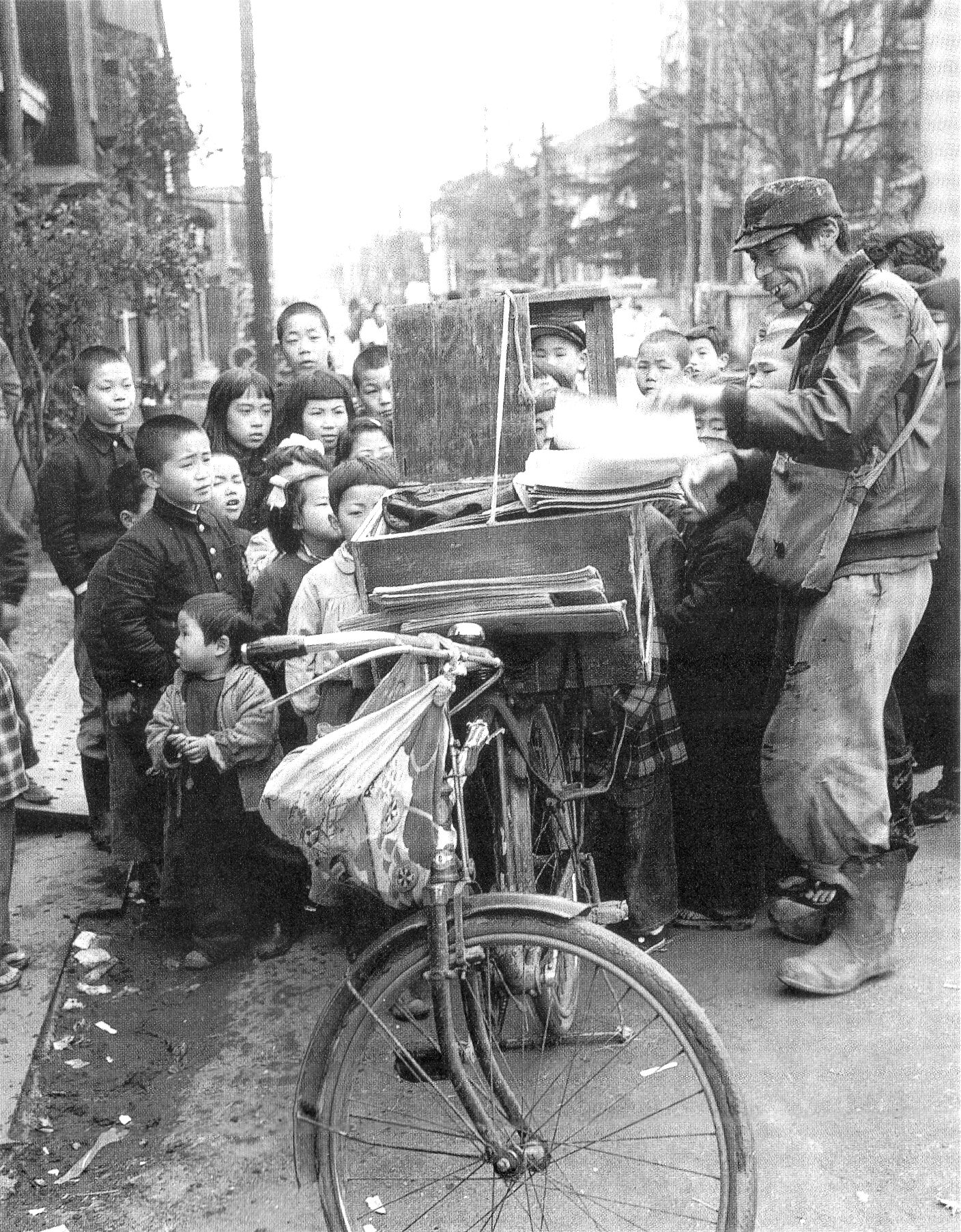
Photo © Tanuma Takeyoshi / Wikimedia Commons (CC BY 4.0)
SNS
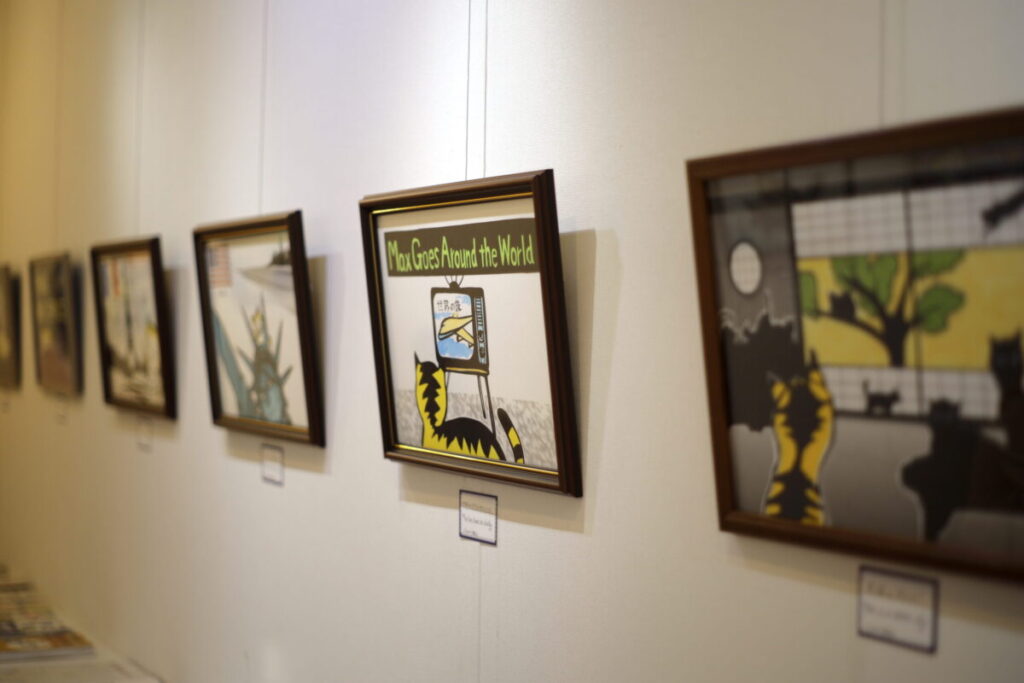
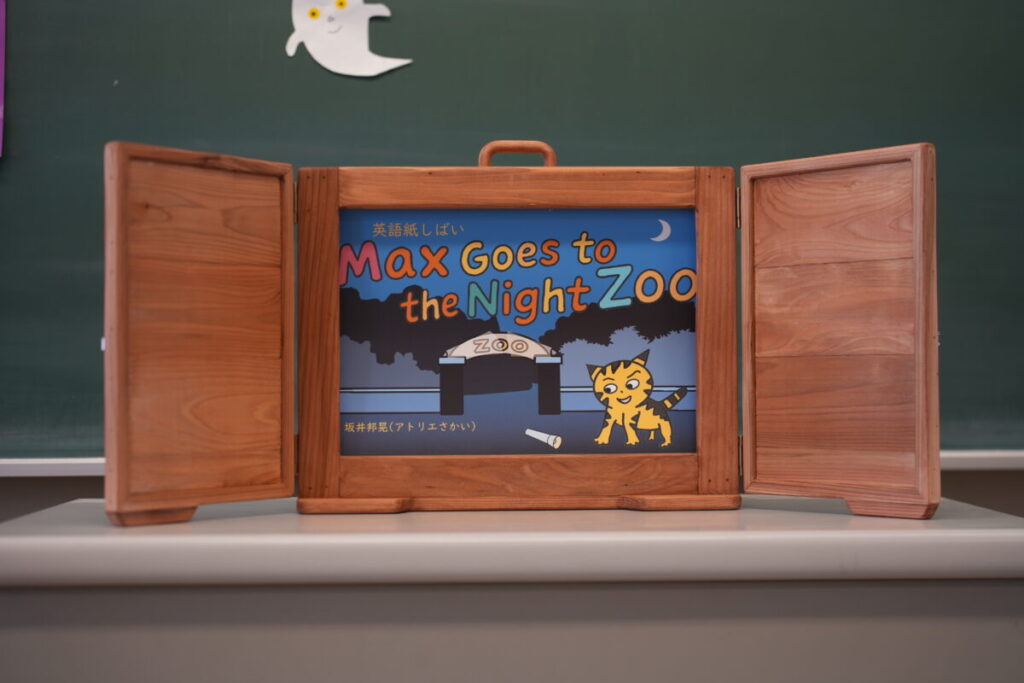
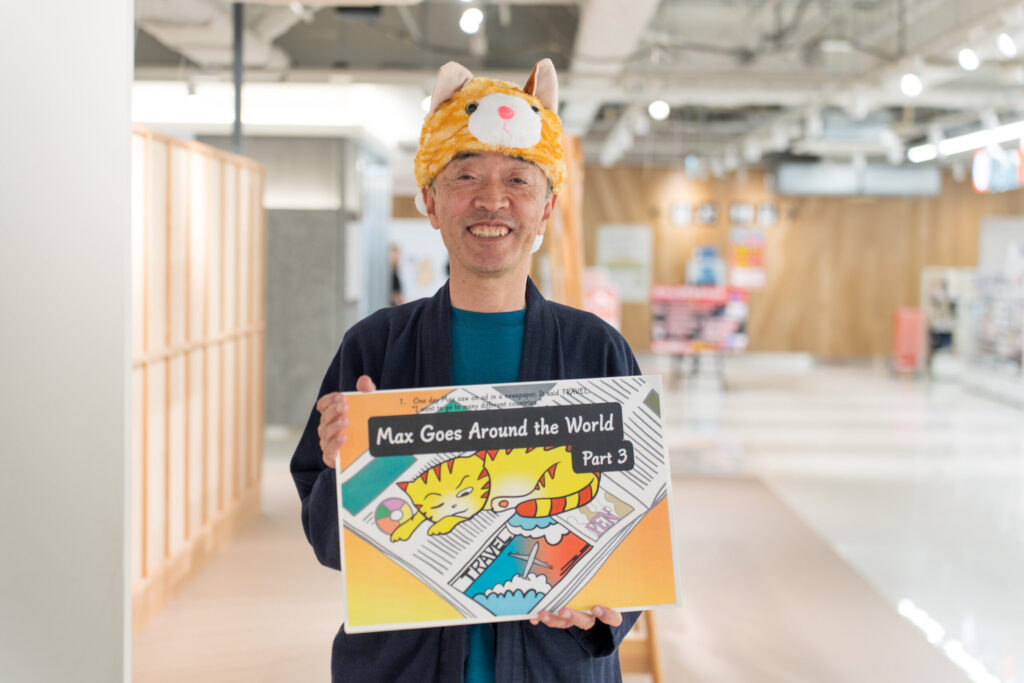

Kuniaki Sakai
My journey began with a passion for creativity and a deep love for children’s learning through art.
As the founder of Atelier Sakai, I create original English Kamishibai to connect hearts across languages and cultures.
I believe that storytelling can inspire curiosity, empathy, and joy in every classroom.